The New Face of Alicante: the Central Park as the 200,000 m² Green Lung of the City
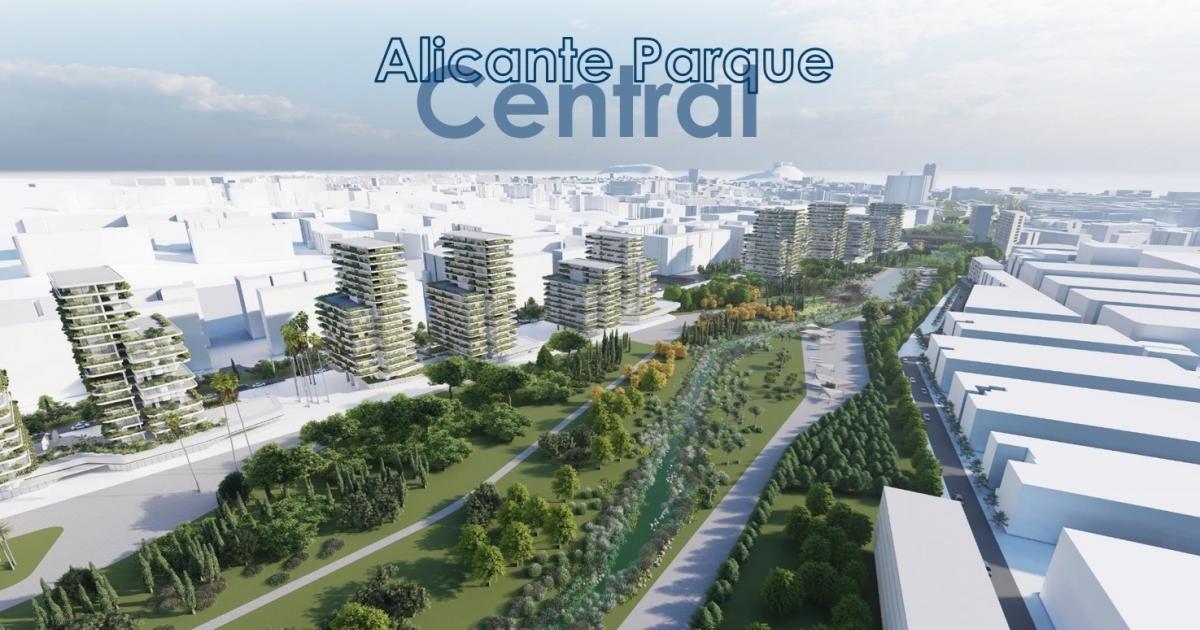
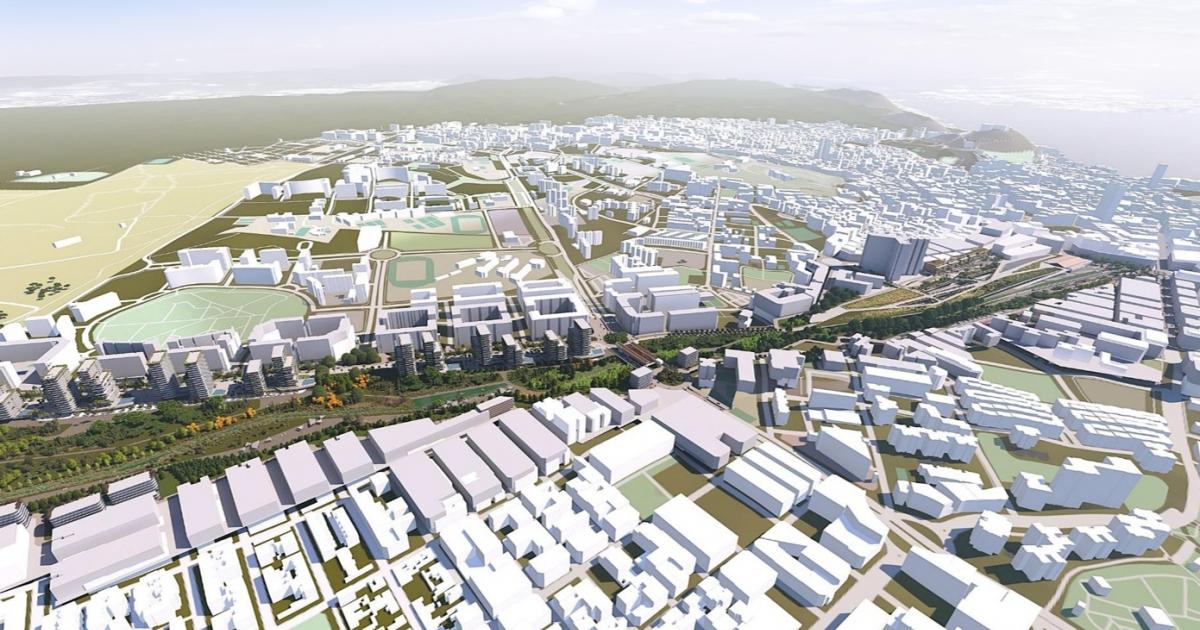
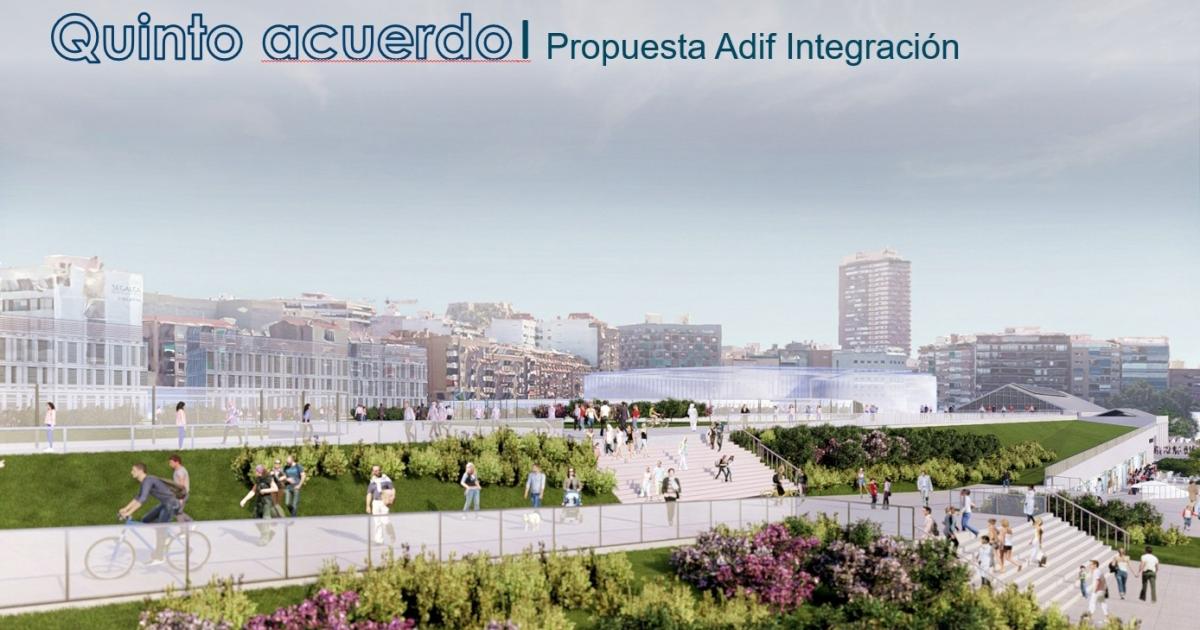
Alicante is preparing for one of the most important urban transformations in its recent history. The long-awaited project for the so-called Integrated Operation 2 (Operación Integrada número 2 - OI/2) involves the revitalization of more than 468,000 square meters of land freed up after the construction of infrastructure for the high-speed rail (AVE). At the heart of this development will be the giant Central Park (Parque Central), which will forever change the city's landscape, connecting historically divided neighborhoods such as San Blas, Benalúa, Alipark and Ciudad de Asís.
Main Assumptions: Canopy Instead of Tunnel
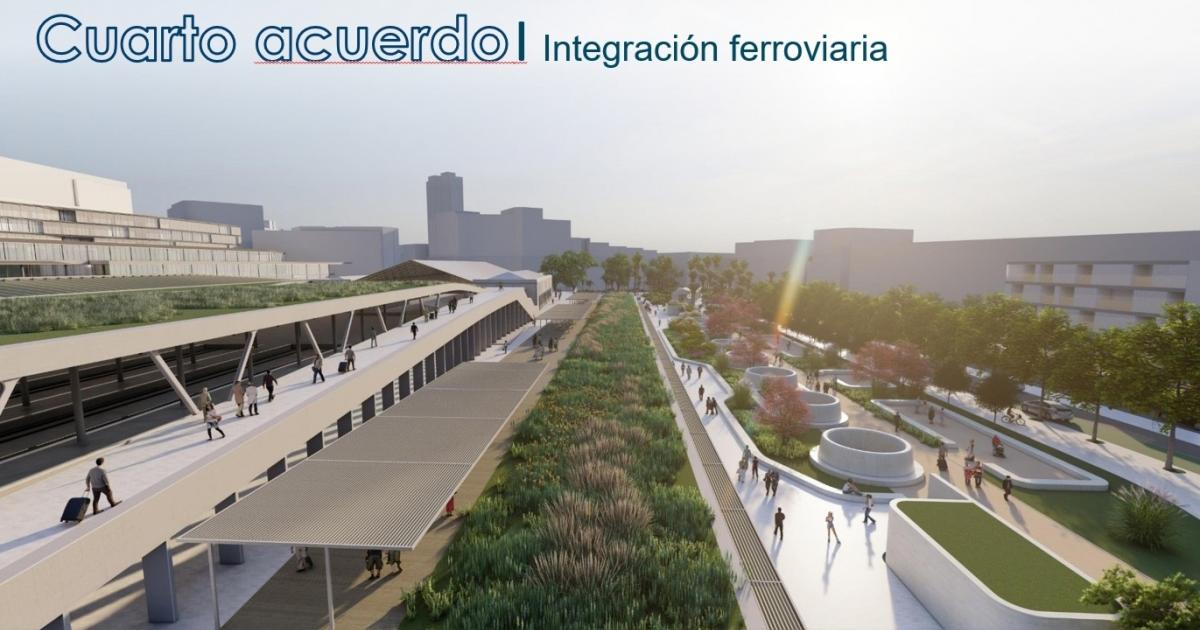
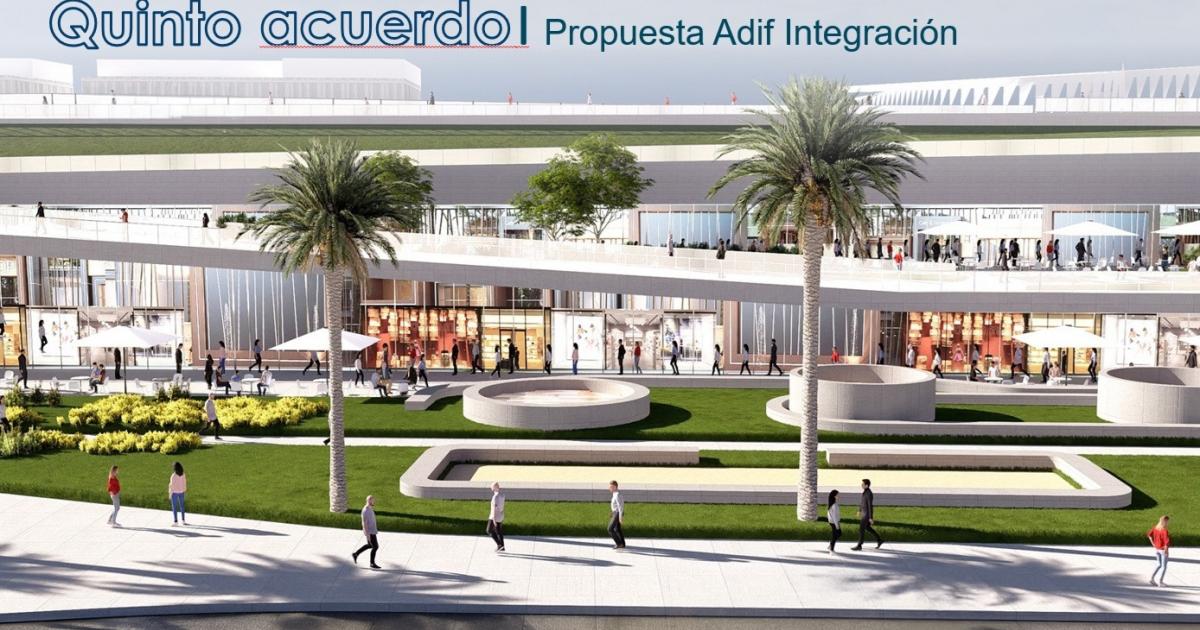
During the official presentation, Óscar Puente (Minister of Transportation) and Luis Barcala (Mayor of Alicante) outlined the project's key features. The most important engineering decision is the abandonment of running the last sections of the tracks underground altogether. Instead, it was decided to integrate them by building a special canopy.
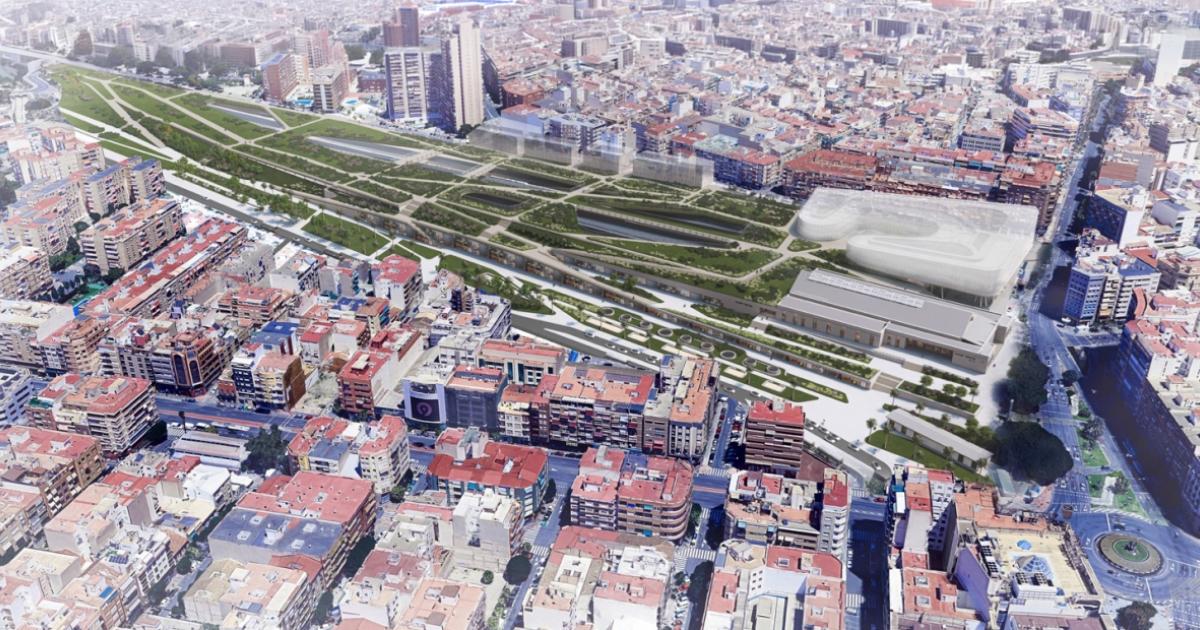
This solution would create a continuity of green space all the way to the vicinity of Plaza de la Estrella and bridge the current level difference of more than 9 meters between Bono Guarner Street and Aguilera Avenue. This option is also much more rational financially and logistically - completely hiding the tracks would require the construction of a temporary station, among other things, and would drastically increase costs. The estimated budget for the current project is about 420 million euros, almost half the amount that full tunneling would require.
Development of Green Areas and Changes in Development
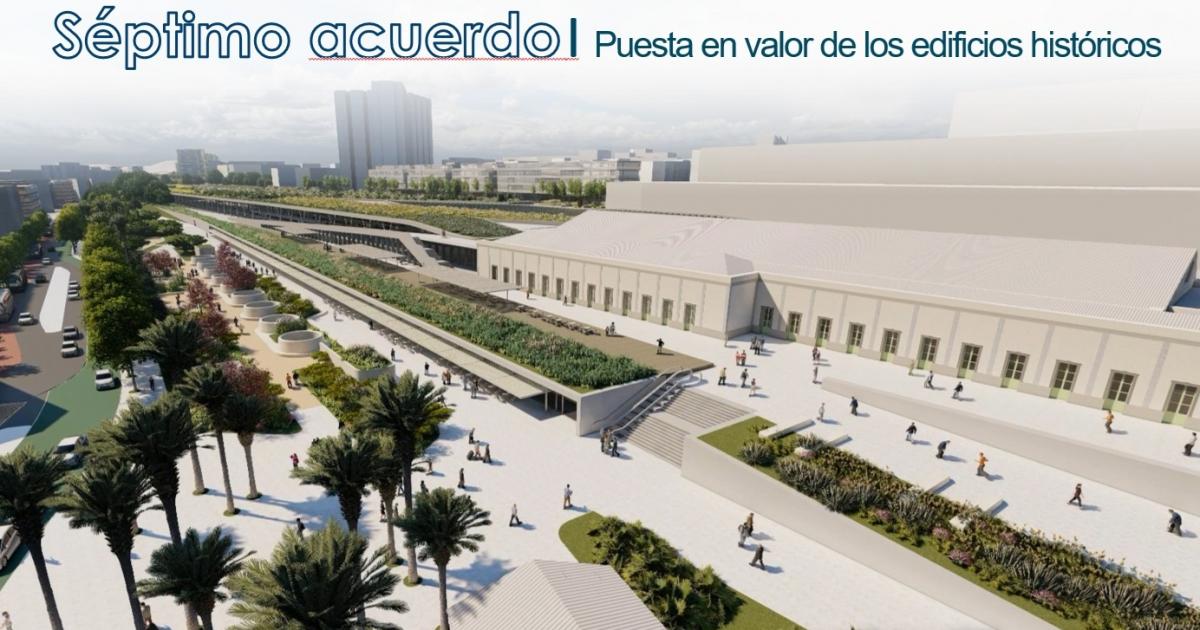
The future Central Park will be a massive green corridor with the following parameters:
- Area: 200,000 sq. m. dedicated exclusively to pedestrian traffic.
- Length: 2,100 meters of uninterrupted path from Vía Parque.
- Width: Variable, ranging from 68 to 275 meters.
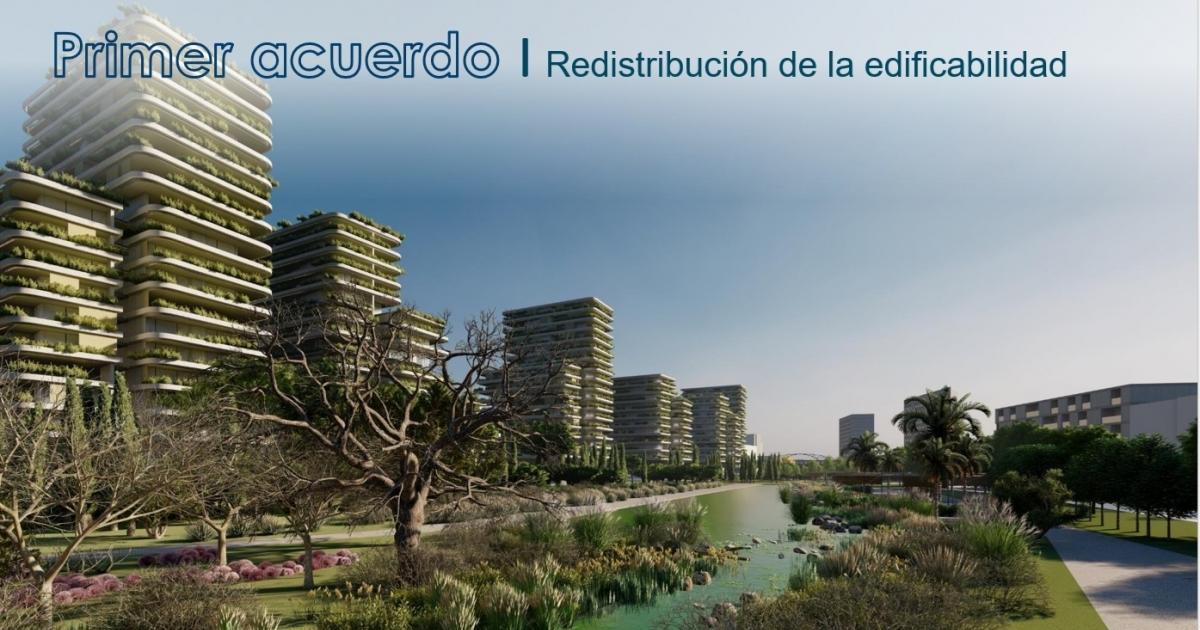
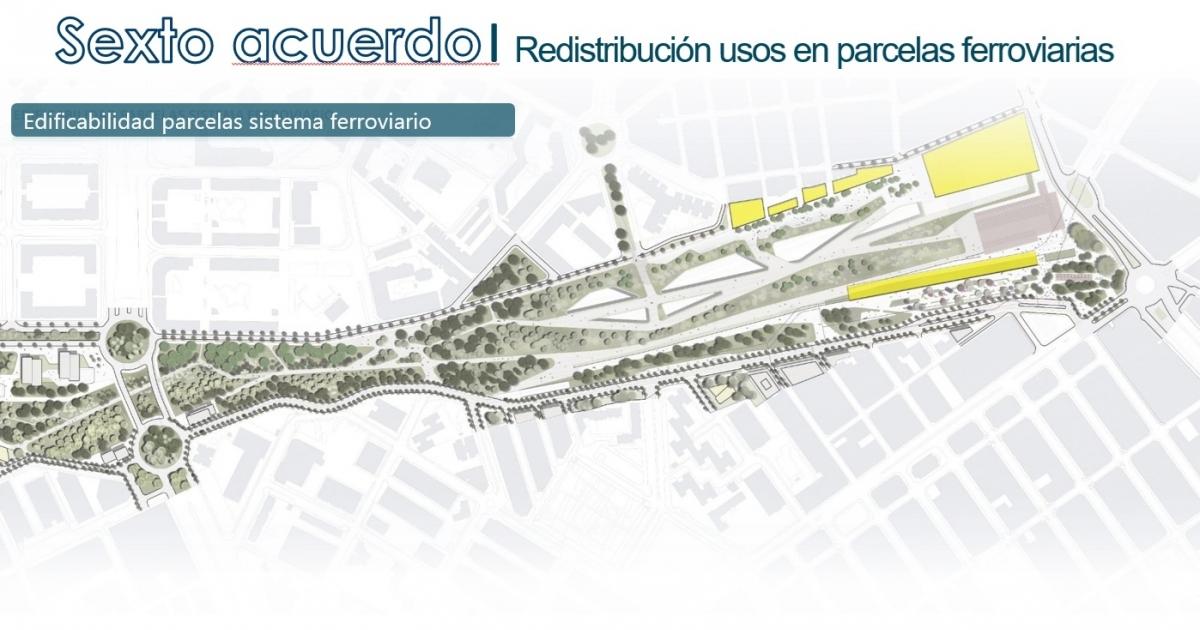
To prevent the park from being "overwhelmed" by new development, the authorities have decided to relocate 220,000 sq. m. of planned residential space (about 1,400 apartments). Instead of concentrating the buildings at Plaza de la Estrella, they will be relocated to the opposite end - near the Ciudad de Asís neighborhood. The structures will feature more verticality (taller buildings), freeing up more valuable land for recreational areas and public services for residents.
Heritage Conservation and New Infrastructure
The project places great emphasis on combining modernity with Alicante's historical heritage:
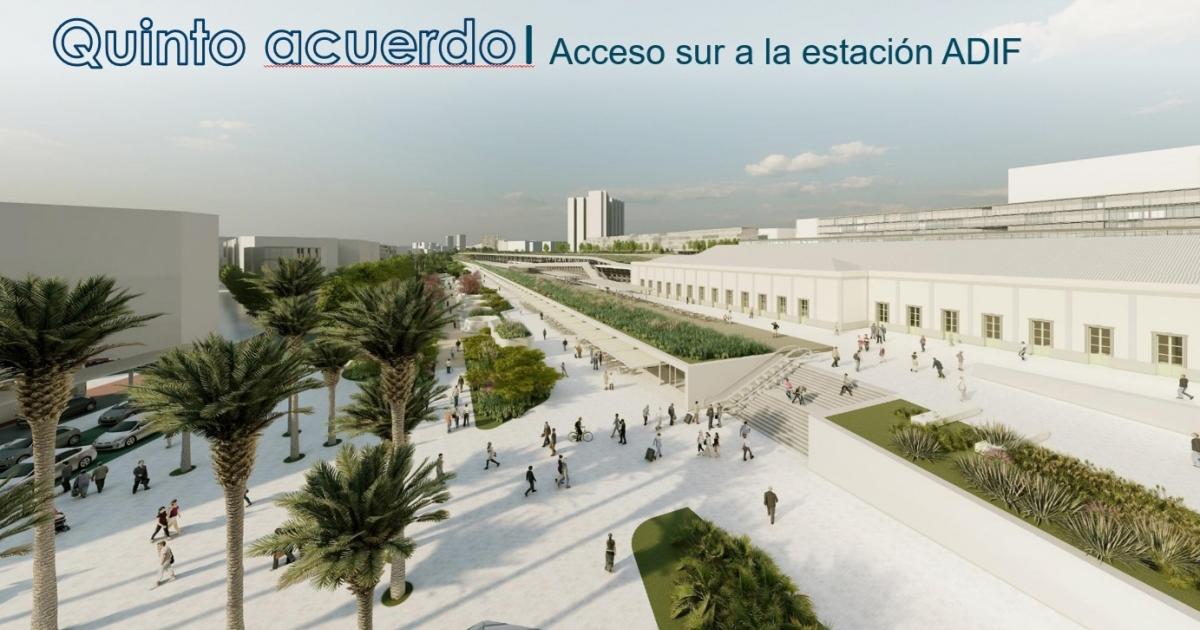
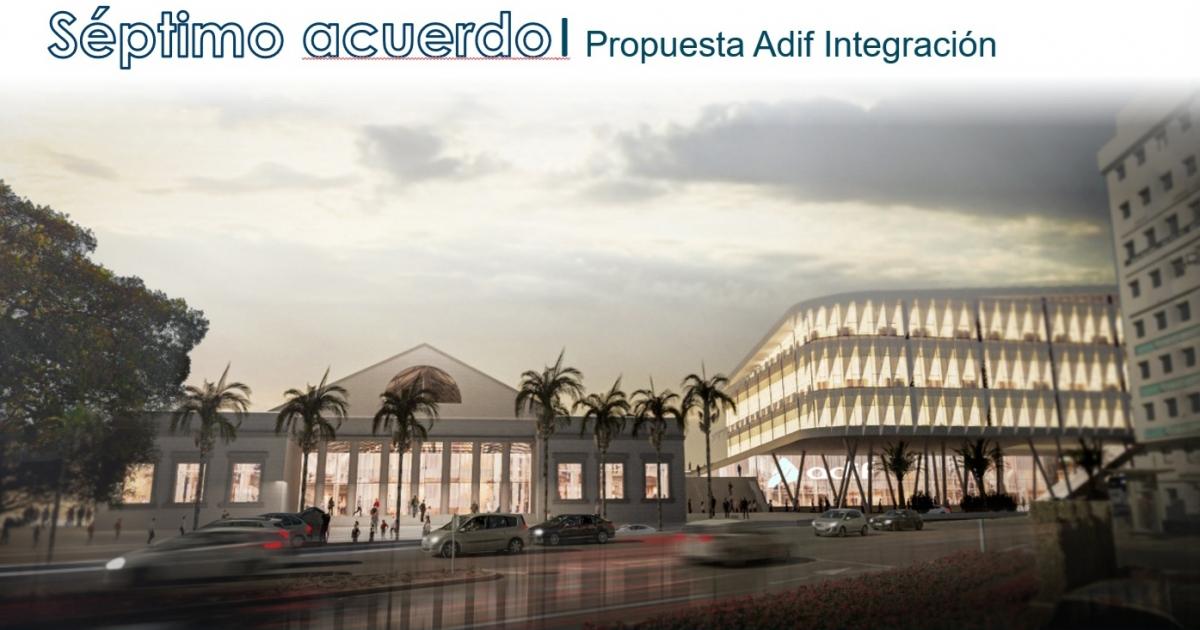
- Historic Station (Estación Término): It will be restored and its original appearance restored. At the same time, a new, adjacent building dedicated to serving travelers will be built to serve as the station's "southern gateway."
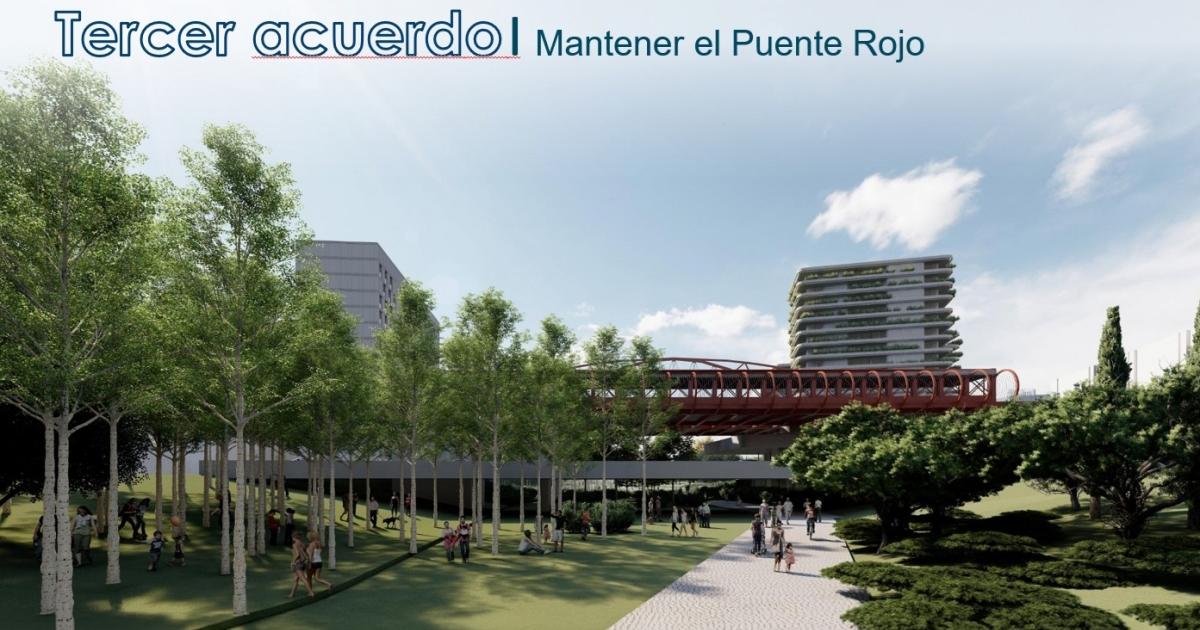
- The Red Bridge (Puente Rojo): Its iconic central structure will be preserved. Only the extreme entrance ramps, which are currently a spatial barrier, will be demolished. In their place, modern traffic circles will be built to facilitate traffic flow.
- New South Square: By abandoning the construction of an above-ground parking lot in favor of an underground one, a huge plaza open to residents will be created in front of the station. It will preserve monumental trees, including century-old ficus trees.
It is also worth mentioning that expansion of the railroad station itself is already underway. By spring 2027, the facility is expected to have 10 standard gauge tracks, making it one of the most capacity "blind" (non-through) terminals in the entire Spanish rail network.
Intermodal transport hub
A key aspect highlighted by Luis Barcala (Mayor of Alicante) is the creation of a powerful intermodal hub within the park. It will be a place that seamlessly connects different forms of transportation:
- Modernized long-distance and regional rail station.
- Central Rapid Tram (TRAM) station.
- A new bus station (located on the southern edge, at the level of Princesa Mercedes Street, with independent vehicular access).
- Underground parking for cars and bicycles.
- "Kiss and ride" zones, cab ranks and city bus stops.
All of these elements will be connected by a network of safe pedestrian crossings, allowing travelers to move seamlessly between different modes of transportation - even without going outside the building if the bus station is connected to the TRAM terminal.
Schedule and Compromise
The project is based on a consensus among the three bodies involved in Avant: the central government, the regional administration and the city hall. As highlighted by Juan Francisco Pérez Llorca (Representative of the Regional Government - Generalitat Valenciana), the target plan is that work on the Central Park can begin when the construction of the main TRAM station is completed, which is expected in late 2028 and early 2029.
Although exact dates for completion of the entire project have not yet been announced, it has been agreed that a new agreement will be signed in the near future. It will clarify the division of costs and the annual work schedule, so that this key project for Alicante can move as quickly as possible. Traffic has also been redefined - cars will move only on the outskirts, which will guarantee safety and peace of mind for those using the park.